4 Effective and Safe Herbal Treatments for Asthma
Herbs have been used by our ancestors to cure various illnesses including asthma. Although anywhere you might ask, doctors and clinicians will always warn you of the possible dangers that herbs can have and for some this might be true, the fact that some herbal treatments have already been proven safe and effective for asthma cannot be denied.
Using the right combination of herbal remedies can prove beneficial not only for your asthma but also for your total wellbeing since herbs have been known to aid the body’s immunity making you more resilient to any underlying causes that might worsen the condition. If you are looking for alternative safe herbal asthma treatments here are a few that you can start with:
Chamomile: Chamomile extract contains terpenoids that acts as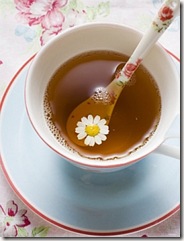 anti-inflammatory, and anti spasmodic preventing onset of attacks. Not only that, chamomile also contains anti-oxidants that prevent oxygen free-radicals from accumulating inside the body causing the condition to worsen. Usually bought in tea form, chamomile is one of the easiest, cheapest and safest herbal treatments for asthma. For those who are taking warfarin though, avoid chamomile at all costs as it may have contradicting effects.
Ginger: Not only a food ingredient, ginger is one of the most common and readily available herbal treatments for asthma. A tropical perennial plant growing mostly in some parts of Asia, more and more people are discovering the benefits of this humble plant to care for their condition. Serving mostly as an expectorant in short term use, the natural chemicals contained in ginger breaks up mucus making it easier to expel. Long term use of ginger has been shown to ease dyspneic attacks and nocturnal coughing in patients. Found in many forms, including dried, fresh and powdered, ginger can prove to be one of your best weapon against asthma.
Nettle: Urtica Dioica in particular has been used to treat many illnesses aside from asthma. Taking nettle in tea form can be very beneficial for the whole system as it contains high amounts of iron, chlorophyll and vitamin C. Preparation of nettle root can also be beneficial since it can stimulate production of T-Cells within the body, increasing immunity to allergic reactions.
Ephedra: Ephedra has been used for centuries even before the advent of conventional and more advanced asthma medication. Ephedra has been recently under fire due the various side effects that may arise from its ingestion. One reason for this may be because of improper preparation and experimentation with other chemicals. Traditional preparations for ephedra have been very effective and only a few isolated cases of side effects have been reported. This plant contains ephedrine which helps the lungs in opening the airways by stimulating the release of norepinephrine.
As always, before trying anything out be sure that you ask for expert help from herbalists which will be able to help you with preparations and thereby maximize the concoctions effectivity and assure safety.
Article written by Tomato on December 29th, 2009
Article Source: Allergy-remedy.org
Herbs have been used by our ancestors to cure various illnesses including asthma. Although anywhere you might ask, doctors and clinicians will always warn you of the possible dangers that herbs can have and for some this might be true, the fact that some herbal treatments have already been proven safe and effective for asthma cannot be denied.
Using the right combination of herbal remedies can prove beneficial not only for your asthma but also for your total wellbeing since herbs have been known to aid the body’s immunity making you more resilient to any underlying causes that might worsen the condition. If you are looking for alternative safe herbal asthma treatments here are a few that you can start with:
Chamomile: Chamomile extract contains terpenoids that acts as
 anti-inflammatory, and anti spasmodic preventing onset of attacks. Not only that, chamomile also contains anti-oxidants that prevent oxygen free-radicals from accumulating inside the body causing the condition to worsen. Usually bought in tea form, chamomile is one of the easiest, cheapest and safest herbal treatments for asthma. For those who are taking warfarin though, avoid chamomile at all costs as it may have contradicting effects.
 Ginger: Not only a food ingredient, ginger is one of the most
 common and readily available herbal treatments for asthma. A tropical perennial plant growing mostly in some parts of Asia, more and more people are discovering the benefits of this humble plant to care for their condition. Serving mostly as an expectorant in short term use, the natural chemicals contained in ginger breaks up mucus making it easier to expel. Long term use of ginger has been shown to ease dyspneic attacks and nocturnal coughing in patients. Found in many forms, including dried, fresh and powdered, ginger can prove to be one of your best weapon against asthma.
 Nettle: Urtica Dioica in particular has been used
 to treat many illnesses aside from asthma. Taking nettle in tea form can be very beneficial for the whole system as it contains high amounts of iron, chlorophyll and vitamin C. Preparation of nettle root can also be beneficial since it can stimulate production of T-Cells within the body, increasing immunity to allergic reactions.
 Ephedra: Ephedra has been used for centuries even before the advent of conventional and more advanced asthma medication. Ephedra has been recently under fire due the various side effects that may arise from its ingestion. One reason for this may be because of improper preparation and experimentation with other chemicals. Traditional preparations for ephedra have been very effective and only a few isolated cases of side effects have been reported. This plant contains ephedrine which helps the lungs in opening the airways by stimulating the release of norepinephrine.
As always, before trying anything out be sure that you ask for expert help from herbalists which will be able to help you with preparations and thereby maximize the concoctions effectivity and assure safety.
Article written by Tomato on December 29th, 2009
Article Source: Allergy-remedy.org


